-
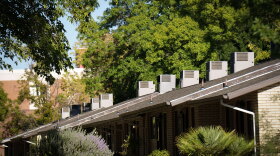 “It felt like you were suffocating,” said one Wayne County resident. When smoke from the Widemouth 2 fire overlapped with a heat wave this summer, it left some Utahns without air conditioning in a tough spot.
 -
 New data shows Utah is producing far fewer vehicle emissions than it did in 2011, even as the state’s population and total miles driven have continued to climb.
 -
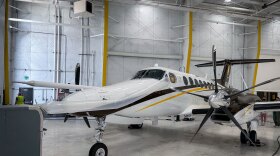 Scientists are flying research missions over northern Utah to understand better how ozone forms and how a shrinking Great Salt Lake, wildfire smoke and other factors affect the state's air quality.
 -
 "It's just very natural to categorize people ... to put states into boxes," said University of Utah psychologist Samantha Moore-Berg. But what about when someone like CNBC says Utah is a bad place to live?
 -
 Multiple wildfires are burning across Utah. Beyond destruction of land and property, researchers say there can be serious impacts on mental health, too.
 -
 The framework is designed to protect the environment and Utah’s economic growth.
 -
 Last year’s Running Up For Air fundraiser paid off with four new air quality monitors around Ogden. This year’s race up and down Malan’s Peak hopes to add even more.
 -
 From Salt Lake City to St. George, communities statewide experienced their warmest winter on record. Snowpack, air quality and ski shops all took a hit.
 -
 After a weeks-long spat with Idaho, Utah leaders tout deals to increase gas supply and cut the gas tax at home, while they also inked an interstate collaboration on the Bear River watershed.
 -
 Critics and environmentalists see Trump’s decision as “moving backwards to an era” where environmental effects, like the ones Utah already experiences, are ignored.
 -
 A House bill from the last legislative session required the Division of Air Quality to assess whether a Permit by Rule process could be applied to additional Utah industries to reduce lengthy approval times.
 -
 Millions of people visit Utah’s national parks for their awe-inspiring views, but air pollution often gets in the way. Federal moves to reverse emission-cutting policies could put the parks’ air even more at risk.

© 2026 KUER 90.1
Play Live Radio
Next Up:
0:00
0:00
Available On Air Stations


