-
 A 12.5% increase to the city’s portion of property tax, along with utility rate hikes, is included in Salt Lake City Mayor Erin Mendenhall’s new fiscal year budget proposal. Some residents question whether the needed money could be found elsewhere in the budget.
 -
 The mayor of Ogden Valley City says they’re stuck — they can’t raise taxes or cut services, but need to balance their budget. Spring Lake is in a similar conundrum.
 -
 Critics argue that the metrics judged by the conservative American Legislative Exchange Council don’t reflect the struggles many Utah families face.
 -
 We checked in with the Utah Association of Certified Public Accountants for some key tips on how to capitalize on changes to the 2025 federal tax code.
 -
 Utah's legislative session is 45 days long, and lawmakers are in the final day's sprint to beat the midnight deadline. Lawmakers got most of their promised court reforms — but were they able to get the rest of their priorities?
 -
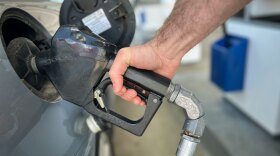 The gas tax cut is about 6 cents per gallon and would start July 1. It’s good timing after the Iran war has jolted markets and oil prices.
 -
 As Utahns increasingly worry about the economic effects of inflation and tariffs, state lawmakers are eyeing an income tax cut for the sixth year in a row.
 -
 Republican lawmakers want to save money, cut taxes and build more homes. Democrats are more focused on other parts of the household budget, such as child care and food security.
 -
 Salt Lake County wants to raise property taxes by almost 15 percent in 2026, much to the frustration of residents. A group has filed a petition for a referendum that would block the tax increase.
 -
 Funds for public education in Utah vary by school district. That’s left some asking to increase property taxes to secure more revenue to keep skilled educators in their classrooms.
 -
 Gas tax revenues have risen in the last few years, but Utah isn’t waiting for electric vehicles to cut into that. EV drivers here pay additional registration fees and a charging tax to help fund road maintenance.
 -
 “For all these reasons — public trust; accounting and legal challenges; protection of education funding; and the message to our educators — I’m vetoing the bill,” Gov. Spencer Cox wrote to lawmakers.

© 2026 KUER 90.1
Play Live Radio
Next Up:
0:00
0:00
Available On Air Stations


