-
 Summer travel is still important for most adults, but they’re sticking closer to home to cut costs. That’s good news for Utah small businesses that’ve seen a hit to international tourism.
 -
 Overuse, drought and climate change have pummeled the lake fed by the imperiled Colorado River to near historic lows, made worse by the driest winter on record and extreme heat. Even so, businesses on the lake say there's still plenty of water to recreate.
 -
 Local leaders in Grand Lake, Colorado, hope the workshop expands opportunities for locals and helps attract tourists year-round.
 -
 The water supply for the Bryce Canyon National Park area comes from an underground aquifer. Scientists and residents worry that more tourism development there might strain those limited reserves.
 -
 For almost a decade, people working in Utah agriculture have noticed a steady uptick in farmers offering tourist-friendly operations, like corn mazes, pumpkin patches and farm tours.
 -
 Search and rescue crew leaders from national parks across the West converged at Zion this week to share tips and tricks for how to keep people safe.
 -
 The slump in Utah park tourism comes as American politics and rhetoric keep many international visitors away. Locals around the parks are feeling the impact.
 -
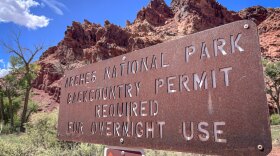 Conservationists view the Trump administration’s move as another attack on the national parks. But southeast Utah officials say there may be other ways to ease crowding at Arches.
 -
 It's a question asked as people move from film to film and wander Park City's streets: “Will you still go to the festival when it moves to Boulder?”
 -
 For Garfield and Kane counties, the years since Grand Staircase-Escalante was established have seen large increases in populations and jobs.
 -
 Tour buses, RVs and trailers that exceed size limits won’t be allowed on the Zion-Mt. Carmel Highway as of June 7.
 -
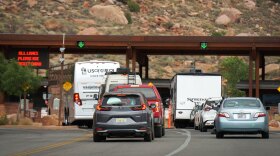 International tourists to some of the most visited national parks face price increases starting Jan. 1. Some businesses are concerned about a decline of visitors or spending, while others don't anticipate large impacts.

© 2026 KUER 90.1
Play Live Radio
Next Up:
0:00
0:00
Available On Air Stations


