-
 Federal data show Lake Mead fell Friday to a level just below the prior record low set in July 2022. The record comes after the worst snowpack on record for the Colorado River Basin.
 -
 The Department of the Interior's final Environmental Impact Statement comes after years of stalled negotiations. What you think of it depends on which groups of states you stand with: The Upper Basin or the Lower Basin.
 -
 The U.S. Bureau of Reclamation proposal announced Friday spares Colorado, Utah, New Mexico and Wyoming from facing mandatory water cuts — for now.
 -
 The Sackett v. EPA ruling left many wetlands in streams vulnerable in the West, where waters can run dry for portions of the year but are still important for the overall ecosystem.
 -
 Overuse, drought and climate change have pummeled the lake fed by the imperiled Colorado River to near historic lows, made worse by the driest winter on record and extreme heat. Even so, businesses on the lake say there's still plenty of water to recreate.
 -
 Colorado, New Mexico, Utah and Wyoming are resisting the deal because it would allow the Navajo and Hopi to lease water to cities downstream, likely the growing towns around Phoenix.
 -
 An Arizona jury delivered the verdict Friday. Bateman is already serving a 50-year sentence in federal prison for orchestrating sex involving children.
 -
 While some parts of the state have successfully stopped the spread, the highly contagious virus is continuing its steady march. The outbreaks are fueled by dropping childhood vaccination rates.
 -
 “States that choose to sue their fellow basin states over Colorado River operations should not expect Congress to reward that decision with additional federal funding,” Sen. Mike Lee said during a river oversight hearing.
 -
 The application for preliminary permits is Nature and People First's latest proposal for energy development on tribal land. The federal government denied a similar proposal by the company in 2024.
 -
 Coal mined in New Mexico, Utah and Wyoming could go to revived coal plants and be exported through a new port in California.
 -
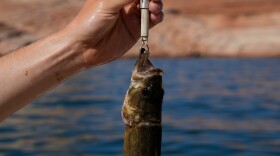 The Bureau of Reclamation is expected to announce a decision in the next couple of weeks, and said it is weighing several factors, including the Colorado River's ecological health and Glen Canyon Dam's hydropower production.

© 2026 KUER 90.1
Play Live Radio
Next Up:
0:00
0:00
Available On Air Stations


