-
 Summer travel is still important for most adults, but they’re sticking closer to home to cut costs. That’s good news for Utah small businesses that’ve seen a hit to international tourism.
 -
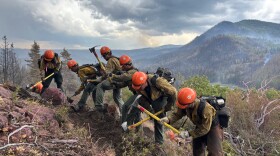 The U.S. Wildland Fire Service says they were responding to the Knowles and Gore fires on Saturday. Wildfire activity has intensified across the western U.S. due to hot, dry, and windy weather.
 -
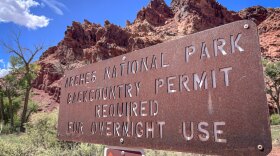 Conservationists view the Trump administration’s move as another attack on the national parks. But southeast Utah officials say there may be other ways to ease crowding at Arches.
 -
Quicksand is a common peril in old movies but getting stuck in it really did happen to one hiker in Utah.
-
 Tamarisk trees are a scourge on riverside ecosystems across southern Utah. Scientists hope their natural enemies, tamarisk beetles, can help local ecosystems fight back.
 -
 Environmental reviews of mining operations normally take months or years. But after President Donald Trump declared a “national energy emergency,” it took just 11 days for the Bureau of Land Management to approve the Velvet-Wood uranium mine's plan to resume operations in San Juan County.
 -
 The new signs reduce speeds by up to 15 mph as drivers enter Moab on State Route 191 in southeast Utah. Advocates hope it’s a first step toward curbing dangerous crashes between vehicles, bicycles and pedestrians.
 -
 Utah’s growing fast, and that’s having a big domino effect on housing development and farming. But it could also lead to a silver lining for the state’s water supply.
 -
 The Utah Department of Transportation controls Main Street and has a variety of ideas to improve pedestrian safety in Moab. But advocates say they leave out a big one: lowering speed limits.
 -
 It remains a matter of scale and urban versus rural. Not all of Utah’s 29 counties experience election mistrust to the same degree.
 -
 Moab has Utah’s most dangerous main street when it comes to the severity of traffic accidents, says a citizen report. Fixing that is not an easy lift.
 -
 The prison camp on an old Civilian Conservation Corps camp outside of Moab held 56 so-called troublemakers from other camps in 1943.

© 2026 KUER 90.1
Play Live Radio
Next Up:
0:00
0:00
Available On Air Stations


