-
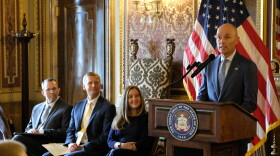 Gov. Cox nominated a district judge and private-sector attorney to the Utah Supreme Court, with both emphasizing their originalist judicial philosophies and limits on judicial power.
 -
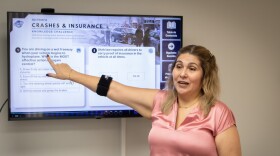 Citizens and legal residents can take the written test in their native language, including French, Mandarin Chinese and Swahili. But those who only qualify for a driving privilege card must take it in English.
 -
 Utah lawmakers pushed for a 15% cut to the state portion of the fuel tax between July and December, but thanks to the Iran war and rollercoaster oil prices, the change might be tougher to spot.
 -
 A new commissioner and a new agriculture water leasing initiative could be the answer to bringing the Great Salt Lake out of its disastrous state.
 -
 Democrats questioned whether new Justice Jay Jorgensen meets the constitutional residency requirement to be on the state’s highest courts. They also had concerns because Jorgensen and Justice Stephen Dent will be first-time judges.
 -
 After Justice Diana Hagan’s resignation, fresh faces will reshape the Utah Supreme Court. Critics still see the changes as “politically motivated and a form of court packing.”
 -
 Outside of the Beehive State, many might gawk at the idea of students opting out of coursework that makes them feel uncomfortable. Among Utahns, there seem to be wider-ranging and more nuanced perspectives.
 -
 When the next state budget starts in July, new State Homeless Coordinator Tyler Clancy will be in charge of $40 million in spending on priorities like high utilizers and mental and behavioral health.
 -
 The new law, which took effect May 6, says adult content websites must verify the age of any users physically located in Utah, regardless of whether they’re using a VPN that says they’re in another state.
 -
 Psychedelic drug treatment could ease or even cure post-traumatic stress disorder in a matter of sessions, according to a University of Utah researcher. Now, President Donald Trump’s executive order to expedite research and psychedelic drug approval could impact plans for such therapy for Utah’s veterans.
 -
 When Utah’s Brighter Adoptions unexpectedly closed its doors, it left more than a dozen families in the lurch and without answers. Those families say negligence sank the agency and blocked their way to parenthood.
 -
 Speaking to the Utah State Bar, Justice Petersen reviewed the just-finished 2026 legislative session and defended judicial independence.

© 2026 KUER 90.1
Play Live Radio
Next Up:
0:00
0:00
Available On Air Stations


