-
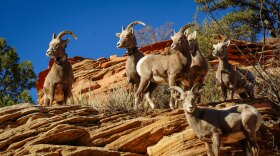 Deer, elk and other large mammals can adapt to summer heat by moving to higher elevations or shady forests. In a warming climate, allowing them space to travel freely becomes even more important.
 -
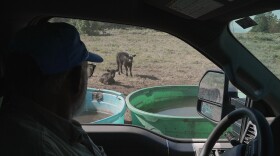 The combination of the worst snowpack on record and fast-spreading wildfires is changing the job description for ranchers in the Rocky Mountains.
 -
 Federal wildlife officials downlisted the razorback sucker to threatened status, but its life is still difficult.
 -
 Wyoming, Montana, Idaho and Washington could take over management, but hunting will not immediately be on the table.
 -
 Even though Utah has resources, many people look to their neighbors when they need help with animal evacuations. Local rescues and the Utah State University extension can help with livestock and finding foster homes while locals wait to go back home.
 -
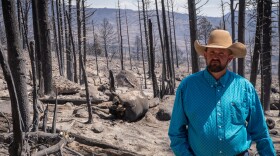 Utah's largest wildfire has killed cattle, destroyed grazing land and left ranchers facing years of recovery. For one Piute County family, the damage extends far beyond the flames.
 -
 A new study found that the specialized worker bees responsible for crafting the queen’s home are younger and effectively run a fever to help melt and blend special chemicals into the wax.
 -
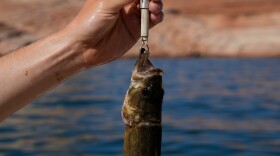 The Bureau of Reclamation is expected to announce a decision in the next couple of weeks, and said it is weighing several factors, including the Colorado River's ecological health and Glen Canyon Dam's hydropower production.
 -
 Workers discovered the owl in late October and quickly took action to save it. Staff at Best Friends Animal Sanctuary in Kanab spent days carefully removing concrete from the bird's feathers.
 -
 Park officials described the attack as a single event, with one or more bears involved, but did not specify if they were black bears or grizzlies. Yellowstone has populations of both species.
 -
 'Cute and charismatic' pikas live in isolated habitats like Utah’s La Sal Mountains. They’re built for the cold, and new research suggests warming temperatures are putting them at risk.
 -
 “There's just something about this wiener dog race that just produces so much endorphins,” said race co-founder and announcer Brad Wheeler.

© 2026 KUER 90.1
Play Live Radio
Next Up:
0:00
0:00
Available On Air Stations


