-
 Fluctuating prices mean changing strategies. Last year it was eggs; this year it’s beef and produce.
 -
 Utah lawmakers pushed for a 15% cut to the state portion of the fuel tax between July and December, but thanks to the Iran war and rollercoaster oil prices, the change might be tougher to spot.
 -
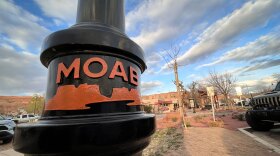 Summer travel is still important for most adults, but they’re sticking closer to home to cut costs. That’s good news for Utah small businesses that’ve seen a hit to international tourism.
 -
 With rising costs squeezing many Utah families, there is a growing disconnect between economic success markers like growth and the stock market and the feelings of everyday people. Economists say don’t ignore bad vibes.
 -
 The war in Iran has sent gas prices up sharply, and Utahns are choosing where to spend their money on the long weekend.
 -
 Thinking about taking the plunge? Electric vehicles are five times more popular in Utah than they were five years ago, and charging infrastructure has also improved.
 -
 The gas tax cut is about 6 cents per gallon and would start July 1. It’s good timing after the Iran war has jolted markets and oil prices.
 -
 After a weeks-long spat with Idaho, Utah leaders tout deals to increase gas supply and cut the gas tax at home, while they also inked an interstate collaboration on the Bear River watershed.
 -
 New consumer sentiment numbers show Utah out ahead of the national mood, something attributable to the state’s natural optimism.
 -
 As of April 2, AAA said the average cost of a gallon of gas in Utah was $3.83. That’s about 0.30 cents higher than the national average and heading into spring break, up nearly 22% from a month ago.
 -
 The Utah Office of Energy Development released a report explaining why Utahns are paying more for gas.
 -
 Inflation, supply and demand, the war in Ukraine and the ease in COVID-19 restrictions all contribute to increased gas prices.

© 2026 KUER 90.1
Play Live Radio
Next Up:
0:00
0:00
Available On Air Stations


