-
 “For the first time, Meta must put kids’ safety ahead of its business model,” said Attorney General Derek Brown. Utah's share of the massive settlement is worth $212 million.
 -
 Utah lawmakers are looking toward the 2027 legislative session to place guardrails on how AI is used in election campaigns.
 -
 AI chatbots have become the bane of teachers everywhere. But a growing number of U.S. public schools are now encouraging a new strategy: Bringing AI into the classroom, partly so students can see its shortcomings.
 -
 Growing public concerns about water, air quality and the Great Salt Lake are pushing Utah leaders to consider tougher data center regulations in 2027.
 -
 Salt Lake City Council wants to tie case numbers to license plate camera data access. To get a sense of what that looks like, KUER put in a records request for camera access records over the last five years.
 -
 Growing up in Utah is now a largely urban experience. But the Cowboy Camp organized by the USU Extension wants to get more teens to trade screen time for saddle time.
 -
 A new generation of small nuclear reactors is poised to come online in the next few years, as Utah, Wyoming and Idaho are all jockeying for a leg up in the new industry rush.
 -
 "You can’t rebrand illegal gambling as a federal commodity,” said Utah Attorney General Derek Brown. “Today a federal judge agreed with us. Kalshi bet that clever branding would beat Utah law. Kalshi lost and Utah won.”
 -
 Tens of millions of Americans have criminal records that can be barriers to employment. An AI-powered app is helping those eligible to expunge their records at a pace not seen before.
 -
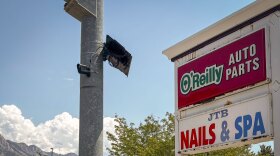 A draft ordinance in front of the Salt Lake City Council would regulate how automatic license plate readers are used by government entities.
 -
 Even though Utah has resources, many people look to their neighbors when they need help with animal evacuations. Local rescues and the Utah State University extension can help with livestock and finding foster homes while locals wait to go back home.
 -
 Regardless of whether the man in the video was evading arrest, courts have ruled that ICE can only enter homes without a warrant in a justifiable circumstance, such as a risk of public danger.

© 2026 KUER 90.1
Play Live Radio
Next Up:
0:00
0:00
Available On Air Stations


