Opponents of the massive Stratos Project data center in Box Elder County have vowed an appeal after the county rejected their two referendum attempts to prevent the development.
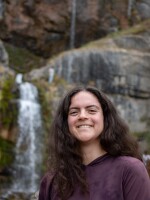
“This is definitely making me feel like our elected officials don't really care about the people that they're representing,” said Brenna Williams, a member of Box Elder Accountability Referendum, the group behind the petitions. “And really, in our type of government, the power should be with the people.”
Williams has deep roots in Box Elder County. She taught her kids to drive at a local bird refuge. Her family picnics at the Spiral Jetty and camps near Golden Spike National Historical Park.
But life in northern Utah isn’t perfect.
Her granddaughters don’t go outside on days with bad air quality because they have asthma, she said. She worries that the proposed data center and accompanying natural gas power plant will only make air quality worse, though the Utah Division of Air Quality says that wouldn’t happen.
After the Box Elder County Commission cleared the way for the Kevin O’Leary-backed project at a contentious meeting in early May, she knew she wasn’t going to take the decision sitting down.
“I turned to my husband and said, ‘I'm going to have to referendum this,’” Williams recalled. “That night a bunch of us had a major vent session on Facebook, and by 9:00 the next morning, we were meeting at the clerk's office to fill out the paperwork.”
She and the Box Elder Accountability Referendum group applied for two referendums. One would overturn the county’s approval of an agreement with the Military Installation Development Authority, the state entity backing the development, and another would reverse the commissioners’ vote to allow private unincorporated land to be included in the project area.
The county attorney’s decision, however, was that the referendums are not legally viable because they would reverse administrative actions, not new laws.
“Accordingly, because I am obligated to interpret and uphold the law, I am legally bound to reject the applications for referenda of these resolutions. I fully anticipate and appreciate that this will allow referendum sponsors who disagree with my opinion to appeal to the state courts for further guidance and resolution,” county attorney Stephen Hadfield said in a statement posted online.
The decision to allow private land to be included simply implemented existing law, rather than creating a new one, the county said. The county also noted that commissioners’ approval is irrevocable under Utah law.
A similar conclusion was reached with the county’s agreement with the Military Installation Development Authority.
“The County Attorney found that this agreement is administrative because it implements MIDA's existing project area plan and acts as a specific contract between the County and MIDA, rather than creating a new, generally applicable law,” the county said in its statement.
The county also found that reversing those decisions would result in losing out on $5.4 million each year, rising to $108 million annually at the project’s full capacity.
“Furthermore, if the development moves forward without the resolutions, the county would likely face increased expenditures of approximately $5.4 million per year for services such as fire, ambulance, and police, and holding a special election for the referendums would cost the county an estimated $55,000,” the announcement said.
Sponsors have 10 days to appeal the county’s decision, and that’s what they plan to do. Williams said she and the group’s attorney disagree that the resolutions were administrative, and they plan to fight the decision in court.
It’s unclear if or how the data center could proceed without the county’s permission. When discussing the commissioners’ original vote on the project, Commissioner Lee Perry told KUER he worried the project would go on with or without their approval.
Macy Lipkin is a Report for America corps member who reports for KUER in northern Utah.